Rubbish collection access issues in Penge Victorian terraces
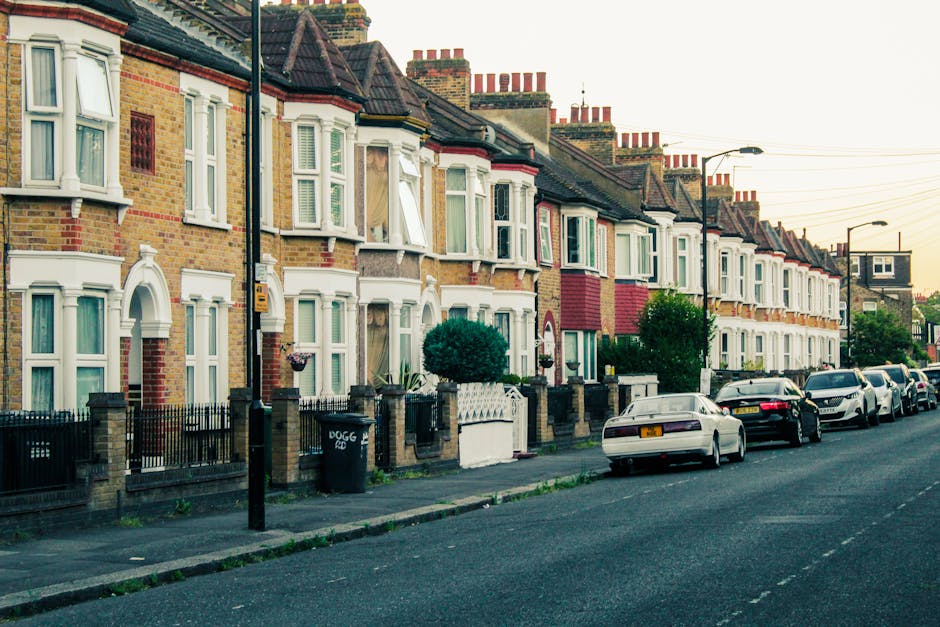
Victorian terraces in Penge can be charming, but rubbish collection access issues in Penge Victorian terraces are a very real headache. Narrow front paths, shared side returns, steep steps, tight alleyways, awkward basement access, and cars parked a little too close can turn a simple collection into a juggling act. If you have ever stood in a hallway with a bulky sofa or a stack of black bags thinking, where on earth is this meant to go?, you are not alone.
This guide breaks down what these access problems actually look like, why they matter, and what you can do about them without making the day harder than it needs to be. You will find practical steps, common mistakes, a realistic comparison of options, and the kinds of small details that make clearance in older London properties run far more smoothly.
Quick takeaway: in older Penge terraces, access planning is often more important than the rubbish itself. Measure first, clear the route, protect surfaces, and choose a collection method that fits the building rather than forcing the building to fit the job.
- Why it matters
- How it works
- Key benefits and practical advantages
- Who this is for and when it makes sense
- Step-by-step guidance
- Expert tips for better results
- Common mistakes to avoid
- Tools, resources and recommendations
- Law, compliance, standards, or best practice
- Options, methods, or comparison table
- Case study or real-world example
- Practical checklist
- Conclusion
- Frequently asked questions
Why Rubbish collection access issues in Penge Victorian terraces Matters
Access problems are not just a minor inconvenience. In Victorian terraces, they shape the whole clearance process. A collection can be delayed, partly completed, or made unsafe if the route from the property to the vehicle is cramped or blocked. That affects timing, labour, cost, and, frankly, everyone's mood on the day.
Older terraces were built long before modern wheelie bins, large wardrobe carcasses, flat-pack overload, or renovation waste. The front door may open straight onto a narrow pavement. The back garden may only be reached through the house. A side return, if it exists, may be shared, uneven, or obstructed by fences, planters, bikes, and the occasional pram that is somehow always in exactly the wrong place.
These details matter because rubbish collection is not only about lifting items. It is about moving them safely and legally without damaging the building, the pavement, or the people doing the work. A fast removal in a modern property can become a much more delicate job in a period terrace.
There is also a trust angle. When access is tight, good planning helps you avoid surprise charges, missed appointments, or rushed decisions. If you are organising a larger clearance, it can be worth comparing a general waste removal service with more specific options such as house clearance or flat clearance, depending on how the property is laid out.
To be fair, the building often tells you the solution before the paperwork does. You just have to slow down long enough to notice it.
How Rubbish collection access issues in Penge Victorian terraces Works
In simple terms, the job works by matching the removal method to the access route. That sounds obvious, but it is where many people go wrong. The collection team needs to understand how items will leave the property: through the front door, through a narrow rear passage, down internal stairs, over a low wall, or from a loft or basement with awkward turns.
Most access-led collections follow the same pattern:
- Assess the type and volume of rubbish.
- Check the route out of the property.
- Identify pinch points, hazards, and parking restrictions.
- Decide whether items can be carried out by hand, wheeled, or dismantled first.
- Carry out the clearance with enough space, protection, and staffing.
In practice, the difference between a smooth job and a messy one is usually one or two details. A stair turn that is just a bit too tight. A gate latch that sticks. A fridge that fits through the kitchen door only if it is tipped the right way. The small stuff becomes the big stuff very quickly.
That is why many people in Penge ask for a slightly broader service instead of trying to force the problem into a one-size-fits-all approach. If there is furniture involved, the route may be easier if you arrange furniture clearance or, where disposal is the main concern, furniture disposal. If the property includes upper rooms or storage spaces, a loft clearance can be the more realistic starting point.
One thing people often underestimate: access is not just physical. It is also timing. A terrace street can be narrow enough that one parked van blocks movement for everyone. Add school run traffic or a delivery lorry, and the collection window gets tighter. You will feel it, even if everything else is lined up perfectly.
Key Benefits and Practical Advantages
Getting access right can make a surprisingly big difference. The obvious benefit is that the rubbish gets out. But the wider gains are what save time and stress.
- Less risk of damage: narrow hallways and old plasterwork do not forgive careless lifting.
- Faster loading: a clear route means fewer stops, fewer resets, and less faffing about in the stairwell.
- Safer handling: awkward items are less likely to twist, slip, or scrape against walls and rails.
- More accurate quotes: once access is described clearly, pricing tends to be more realistic.
- Better neighbour relations: less blocking of shared paths, less noise, less frustration. Everyone wins, basically.
- Cleaner finish: a planned clearance usually leaves fewer stray bits behind.
There is also an environmental upside. When rubbish is sorted well and removed efficiently, it is easier to separate reusable items from general waste. If sustainability matters to you, it makes sense to ask how materials are handled and whether the company works with recycling in mind. A good starting point is a provider's recycling and sustainability approach.
In older homes, small practical advantages add up. A bit of surface protection. A measured route. A quick sweep at the end. None of that sounds dramatic, but it is the difference between a job that feels under control and one that feels like an episode of moving chaos.
Who This Is For and When It Makes Sense
This topic matters to anyone living, renovating, renting, or managing property in a Victorian terrace with limited access. That includes homeowners, landlords, tenants, letting agents, executors, and small businesses operating from converted terraces or home offices.
It makes particular sense if you are dealing with:
- bulky furniture that will not fit neatly down the stairs
- builders' waste after a kitchen, bathroom, or loft job
- garage clutter with a tight front approach
- house contents that need clearing room by room
- office items being removed from a converted upper floor
- garden waste that has to move through the house or side passage
If a terrace property is used for work, the access issue can be even more obvious. Files, desks, storage units, and packaging all seem harmless until they need to come down a narrow staircase. In those cases, an office clearance or business waste removal arrangement can be a better fit than treating it like a quick household tidy-up.
For smaller one-off jobs, such as clearing a single room after decorating, a simpler approach may be enough. But if you are asking yourself, "Will this even fit through the door?" then access planning is no longer optional. It is the job.
Step-by-Step Guidance
Here is the most practical way to handle access issues before collection day arrives.
- Map the route. Walk the full path from the item's location to the street. Look for stairs, bends, low ceilings, narrow doors, and anything that swings inward.
- Measure the tight spots. Door widths, stair landings, gate openings, and the width of any side passage matter more than you think.
- Clear the route. Move shoes, plant pots, bikes, bins, children's toys, and anything else that narrows the passage.
- Check parking and loading access. Can a vehicle stop close enough? Will it be blocked by resident parking, a corner, or a traffic pinch point?
- Separate bulky items. Put aside what might need dismantling, especially wardrobes, bed frames, shelving, and desks.
- Protect the property. Use covers or padding on bannisters, corners, and flooring if items are heavy or awkward.
- Flag hazards early. Mention broken steps, loose handrails, damp basement floors, or low light in stairwells.
- Confirm the load type. Mixed rubbish, furniture, builders' debris, and green waste can all affect how the job is organised.
- Book the right service. A terrace clearance may need more than a standard uplift. Choose the service that fits the access and the contents.
- Leave a small buffer. Even with good planning, older properties have quirks. A few extra minutes can save a lot of strain.
If the clutter is spread across several spaces, the route may be less straightforward than it first appears. A small attic hatch, for example, can turn into the main bottleneck. Same with basement stairs. That is where a specialist home clearance can be useful, because the work is planned around the full property rather than one room at a time.
And yes, sometimes the best step is simply to stop and rethink the route. Not glamorous, but effective.
Expert Tips for Better Results
Good access work is often about anticipating the annoying bits before they become the expensive bits. Here are the tips that tend to help most in Victorian terraces.
- Take photos of tight areas. A couple of clear pictures of doors, stairs, and rear access can be more useful than a long message.
- Disassemble early. If a wardrobe or bed frame looks borderline, take it apart before the collection starts, not halfway through.
- Use a "first out" pile. Keep items closest to the street or doorway ready first. It creates momentum and reduces backtracking.
- Think about weather. Wet steps, slippery paving, and muddy side returns are not minor details in London weather. They change the pace of the job.
- Keep neighbours informed. A quick heads-up can prevent awkward blocking complaints and helps if shared access is involved.
- Ask about loading strategy. Some clearances work best with a two-person carry. Others need items moved in stages. It depends on the property, not just the rubbish.
One small but useful habit: leave the front door area and hallway as open as possible the night before. By morning, the place already feels calmer. You can almost hear the job getting easier.
If you are comparing clearance options, a dedicated garage clearance or garden clearance can be more efficient than a broad general visit when the waste is concentrated in one awkward zone. That kind of fit really matters in older terraces.
Common Mistakes to Avoid
Access problems are predictable, which means most of the frustration is preventable. These are the mistakes we see most often.
- Underestimating the width of items. A sofa that looks manageable in a room can become impossible at the stair turn.
- Forgetting about corners. People measure the doorway and forget the bend immediately after it. Classic mistake.
- Blocking the route with "temporary" storage. Temporary has a funny way of becoming permanent the moment the van arrives.
- Not mentioning basement or loft access. Those spaces can dramatically change the work involved.
- Assuming all waste is the same. Builders' waste, furniture, and general household rubbish are handled differently in practice.
- Leaving booking details too vague. "A few bits and bobs" is not enough when stairs are narrow and parking is tight.
Another one: waiting until the street is already full of parked cars and then hoping for the best. Let's face it, that rarely ends well. If timing is flexible, an early slot can be a lifesaver.
If the clearance includes repair materials or renovation debris, be sure to think about a more specific builders' waste clearance rather than assuming domestic rubbish handling will cover everything. That distinction sounds small until sacks, rubble, and broken boards are all stacked by the front door.
Tools, Resources and Recommendations
You do not need much kit, but the right basics make a noticeable difference in older terraces.
| Tool or resource | Why it helps | Best used for |
|---|---|---|
| Tape measure | Checks doors, stair turns, and side access before moving heavy items | Any bulky furniture or awkward route |
| Phone camera | Captures tight spots and hazards for quicker planning | Quotes, pre-checks, and access confirmation |
| Protective coverings | Helps reduce scratches on paintwork, bannisters, and floors | Heavy or repeated item movement |
| Strong gloves and sensible footwear | Supports safe manual handling in narrow spaces | Any DIY pre-sort or brief moving work |
| Clear sorting bags or boxes | Makes it easier to separate general rubbish, reuse, and recycling | Pre-clearance sorting |
For service selection, it helps to think in terms of the property's actual bottleneck. If the issue is general household buildup, start with house clearance. If the issue is a small flat above street level, flat clearance may be more appropriate. If you only need a single item shifted, furniture-focused help might be the cleaner choice.
For costs and planning, a clear written quote is worth its weight in gold. It should reflect access complexity, item volume, and any extra handling required. You can review pricing and quotes information before you book, which helps avoid crossed wires later.
Small aside, but an important one: if your property has a quirky old latch, tell someone. Victorian terraces love little surprises like that.
Law, Compliance, Standards, or Best Practice
When rubbish is being moved from a home or business, the basic expectation is safe, lawful handling and proper disposal. In the UK, that usually means waste should be carried, transferred, and processed responsibly, with care taken around hazardous materials, access routes, and duty of care obligations. For most readers, the practical takeaway is simple: do not leave waste in a position that creates danger for workers, neighbours, or pedestrians.
Best practice in terrace access work usually includes:
- keeping paths and stairs free from trip hazards
- lifting items in a way that does not damage walls, railings, or flooring
- separating hazardous or special items before collection
- using suitable vehicles and loading methods for the street layout
- being transparent about what is being removed and from where
If you are hiring help, it is sensible to check that the provider has appropriate health and safety processes, insurance, and clear terms. Those details matter more in narrow Victorian terraces because the margin for error is smaller. You can review a company's health and safety policy, insurance and safety information, and terms and conditions before committing.
If accessibility is part of the issue - and it often is in older properties - it is worth checking the provider's stated approach to fair access and customer support. A clear accessibility statement can be a useful sign that the business thinks carefully about different customer needs.
For larger commercial or mixed-use clearances, especially where staff or tenants are affected, the standards get stricter in practice. Nothing exotic, just a stronger need for planning, communication, and safe movement routes. Boring? Maybe. Important? Absolutely.
Options, Methods, or Comparison Table
Not every access issue needs the same solution. Here is a straightforward comparison of the most common approaches in Penge terraces.
| Method | Best for | Strengths | Limitations |
|---|---|---|---|
| Standard collection | Simple, easy-access rubbish | Quick and straightforward | Poor fit for narrow staircases or bulky items |
| Furniture-focused removal | Sofas, wardrobes, beds, tables | Better for large items and dismantling needs | May still need clear access planning |
| Full property clearance | Whole-house, probate, or move-out jobs | Covers multiple rooms and mixed waste | Takes more planning and coordination |
| Room-by-room removal | Lofts, garages, offices, or single problem spaces | Targets the real bottleneck | Less efficient if the whole property is cluttered |
| Dismantle-first approach | Items that will not safely fit through access points | Reduces damage and improves handling | Needs time and the right tools |
If the access issue is the main problem, a service chosen around the route is usually better than a service chosen around the waste type alone. That is why terrace jobs sometimes sit between a standard uplift and a more tailored clearance package. A well-matched method tends to feel calmer from the start.
Case Study or Real-World Example
Picture a typical Penge Victorian terrace: front door onto a narrow pavement, a tight hallway, stairs that turn sharply halfway up, and a back room filled with old furniture after a refurbishment. Nothing dramatic, just a normal London home with more character than space.
In one real-world style scenario, the homeowner started by moving everything to the front room, thinking that would solve the issue. It helped a bit, but not enough. The sofa still needed a careful turn at the stair landing, and a shelving unit had to be dismantled because it would not clear the doorway without scraping the frame. Once the route was measured properly and the bulky items were broken down in advance, the clearance became far less stressful.
The lesson was simple: the most obvious route is not always the best route. The front door might be the main exit, but the safest path could involve temporary disassembly, a different carrying order, or moving smaller items first to create room. That little bit of planning changed everything.
What people usually remember afterwards is not the paperwork or the quote. It is the relief of seeing the hallway empty again and the stairs finally visible. Small win, but a big feeling.
Practical Checklist
Use this checklist before the collection day. It keeps things tidy and saves awkward conversations later.
- Measure all doorways, stair turns, gates, and side returns
- Take photos of tight access points and any hazards
- Clear shoes, bins, bikes, prams, and loose items from the route
- Check whether bulky items need dismantling
- Confirm where the vehicle can park or load safely
- Tell the provider about basement, loft, or rear-garden access
- Separate anything fragile, hazardous, or valuable
- Protect floors, corners, and bannisters where needed
- Keep neighbours informed if access is shared or tight
- Review the quote, terms, and safety information before booking
If you are unsure whether a job is simple enough for a normal uplift, ask for a more tailored service instead of guessing. That one decision can save a lot of hassle. Seriously.
Get a free quote today and see how much you can save.
Conclusion
Rubbish collection access issues in Penge Victorian terraces are really about one thing: making an older building work for a modern removal task without forcing it. Once you understand the route, the pinch points, and the type of waste involved, the whole process becomes more manageable.
The good news is that these access problems are usually solvable with simple planning. Measure the route. Clear the path. Match the service to the property. Be honest about the awkward bits. That last one matters more than people think.
Done properly, a clearance in a Victorian terrace does not have to feel chaotic or disruptive. It can be tidy, respectful, and surprisingly smooth. And there is something genuinely satisfying about that moment when the space opens up again and the house feels like itself. Quietly better. You notice it straight away.
Frequently Asked Questions
What are the most common access issues in Penge Victorian terraces?
The most common problems are narrow hallways, tight stair turns, small front entrances, limited rear access, shared side passages, and parking constraints on the street. Bulky items often become the main challenge rather than the rubbish volume itself.
How do I know if my furniture will fit through the stairs?
Measure the furniture at its widest points, then measure the narrowest doorway, landing, and turn on the route out. If the item looks borderline on paper, it is usually wise to plan for dismantling or ask for a specialist removal approach.
Should I clear the hallway before the collection team arrives?
Yes, absolutely. A clear hallway gives the team more room to work and reduces the chance of damage. Even moving shoes, plant pots, and a couple of boxes out of the way can make a meaningful difference.
Is a standard rubbish collection enough for a Victorian terrace?
Sometimes, but not always. If the access is easy and the items are small, a standard collection may be fine. For bulky furniture, stairs, loft contents, or mixed household waste, a more tailored service is usually more practical.
What should I tell a clearance company before booking?
Tell them about the type of waste, how much there is, where it is located, whether there are stairs or tight turns, and whether parking is difficult. The more honest you are at the start, the more accurate the plan tends to be.
Can access issues affect the price?
Yes, they can. Tight access may require more time, more labour, dismantling, or extra care with handling. A clear description of the property helps a provider give a more realistic quote rather than guessing.
What if the rubbish is in the loft or basement?
That can make the job quite different. Lofts and basements often mean steeper stairs, lower light, and awkward lifting angles. In those cases, a loft-specific or full-property clearance is often more suitable than a simple uplift.
Do I need to worry about damaging old plaster or woodwork?
Yes, especially in older terraces where finishes can be delicate. Bannisters, corners, and narrow door frames can be scratched or chipped if items are moved too quickly. Protecting the route helps a lot.
What happens if parking is difficult outside my house?
If parking is tight, it may take longer to load items and the route from the property to the vehicle becomes more important. It is best to mention this in advance so the job can be planned around loading space and timing.
Are there special concerns with builders' waste in terraced houses?
Yes. Builders' waste can be heavy, dusty, and awkward to carry through narrow spaces. It is usually better to arrange a dedicated builders' waste clearance rather than treating it like ordinary household rubbish.
How can I make the collection safer for everyone?
Clear the route, wear sensible footwear if you are helping, keep children and pets away from the work area, and mention any known hazards such as broken steps or loose handrails. Safety in a narrow terrace is mostly about preparation and patience.
What is the best next step if I am not sure what service I need?
Start by describing the property layout, the items to be removed, and the access route. If that still feels unclear, reach out through the site's contact options and ask for guidance. A short conversation now can save a lot of back-and-forth later.