Garden Clearance in Penge
Garden Clearance Penge provides a practical way to clear outdoor spaces in the local area, whether you are dealing with a one-off tangle of cuttings or a more involved garden tidy-up. The service is designed to remove green waste and unwanted garden materials with a careful, organised approach, so patios, borders, paths and sheds can be put back into sensible order. It is a straightforward option for homes, landlords and anyone preparing an outside space for the next stage of use.
We handle a broad range of garden clearance tasks, from seasonal branch and hedge waste to heavier mixed materials gathered during outdoor maintenance. In many cases, the job is not just about taking things away; it is about separating what should stay from what should go, so that useful items can be left in place and the site is left tidy. For some properties the work may include loading bagged green waste, lifting awkward debris from the rear of the garden, or removing broken outdoor items that no longer serve a purpose.
If you need garden clearance in Penge, start by thinking about the main materials you want removed and the access available to the outdoor area. A brief enquiry with a clear description is usually enough to begin arranging a suitable quotation. Tell us what needs clearing and what condition the space is in. From there, the next step is simply to request a quotation and decide how you would like the clearance handled.
What our garden clearance service can cover
Garden clearance work often includes a combination of green waste and miscellaneous outdoor items. That might mean grass cuttings, prunings, hedge trimmings, weeds, small branches, old plant pots, torn coverings or garden debris that has built up over time. In some gardens the main task is a simple load of cuttings after regular maintenance; in others, it is a more involved clearance where several different waste types need sorting before removal. The aim is to leave the space ready for ongoing use, renovation or routine upkeep.
The work can be adapted to different layouts and garden sizes without turning into a generic tidy-up promise. A narrow side return, a long rear garden, a courtyard or a larger lawn each calls for different handling, and we plan removal around the actual materials present. Our garden clearance service page gives a clearer view of this core offering, while the practical approach remains the same: remove what has been agreed, work carefully around the property and clear away waste in a tidy manner.
When deciding what to include, it helps to think in terms of item groups rather than individual pieces. For example:
- green waste such as trimmings, cuttings and weeds
- light outdoor clutter, broken pots and loose materials
- old compost bags, plant containers and garden odds and ends
- mixed clearance from a shed, border edge or paved area
How access, volume and material type affect the job

Every clearance is shaped by the amount of material to be removed and the route out of the property. A garden that opens directly onto a driveway is usually handled differently from one with limited access, steps, narrow passages or awkward corners. Material type also matters, because loose organic waste is easier to move than bulky or damp items, and mixed loads may need more careful sorting. These are the factors that help determine the most sensible quotation for the work.
It is useful to mention any areas that may need extra care, such as delicate planting, recently laid surfaces or narrow access beside the house. Clear information makes the quotation more accurate and helps ensure the clearance plan matches the space. If you are not certain how much there is, a rough description is still helpful, especially when the job combines seasonal waste with a few larger items. You do not need to make the garden perfect before asking for a price.
For a straightforward estimate, keep your notes focused on what is present and where it is located. That usually means the kind of waste, how much there is, whether it is bagged or loose, and whether any items are heavy, damp or awkward to carry. When the picture is clear, it is easier to request a quotation and compare the practical options available.
Garden waste, mixed debris and careful removal
Some jobs are entirely green waste, while others involve a mixed outdoor clear-out that includes more than pruning and cuttings. A garden may contain old cane supports, collapsed bags, broken fencing offcuts, faded plastic planters or material left over from previous maintenance. A sensible clearance approach handles these different items in a way that avoids unnecessary disturbance to the rest of the space. It is not simply about taking away what is visible; it is about removing the agreed waste cleanly and without leaving loose remnants behind.
There are also cases where the garden clear-out forms part of a larger reset. If the outside area has been neglected for a while, the priority may be to get back to the underlying structure of the garden: paths, beds, lawn edges and storage areas. In those situations, we focus on sensible loading, respectful handling and a methodical finish rather than rushing through the work. Our recycling and sustainability information explains how different waste streams are considered as part of that process.
Where mixed materials are involved, it is often helpful to separate the clearance into clear categories before the work starts. This can make it easier to judge the size of the job and avoid misunderstanding about what should be left in place. A tidy, agreed scope is usually the most efficient way to approach outdoor waste removal.
Areas around the home that often need attention
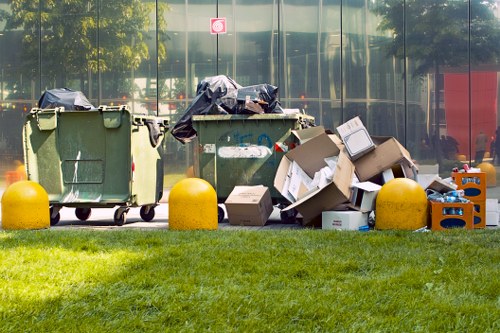
Garden clearance is frequently linked with nearby parts of the property rather than the open garden alone. Sheds can gather old tools, damaged boxes and long-forgotten containers. Paths and patios may hold swept-up waste, failed planters or accumulated debris near the edges. Side returns sometimes become storage spaces for materials that were meant to be temporary but stayed much longer than expected. Addressing those adjoining spaces at the same time can make the overall result more coherent.
We also help when the outdoor area contains a mixture of soft garden waste and hard items that have reached the end of their use. The practical question is not whether an item is technically part of the garden, but whether it needs to be removed as part of the agreed clearance. A small number of heavier pieces can affect the loading plan, so it is sensible to mention them early. Furniture disposal may be relevant where outdoor seating or stored household pieces are included, while the main focus remains the garden itself.
For many customers, the value of the service is in having one clear removal plan instead of several separate arrangements. That can be especially useful where outdoor maintenance has created a pile-up of materials over more than one season. A single, well-defined clearance keeps the job manageable and helps avoid confusion over what is and is not being taken away.
Preparing a quotation for outdoor clearance
When requesting a quotation, the most useful details are usually the type of waste, the estimated amount and how easy it is to reach the items. Photos can help, but a written summary is often enough to begin with if the scale is modest and the access is straightforward. If there are bags, loose piles, heavy pieces or anything likely to need extra lifting, it is best to mention that upfront. This avoids unnecessary back-and-forth and keeps the quote focused on the real job.
A good enquiry does not need to be long. It should simply show what is being removed, where it is, and whether there are any practical constraints such as narrow access or limited parking nearby. Accurate details help us build a realistic quotation and set out the work clearly. If the job also involves extra materials, such as items from a shed or a nearby outbuilding, include those in the same message so the scope is understood from the start.
Once the basics are known, the quotation can reflect the actual clearance rather than a guess. That makes it easier for you to plan the work and decide on the next step. A well-prepared quote should feel specific enough to be useful without demanding unnecessary detail from the customer.
About Penge
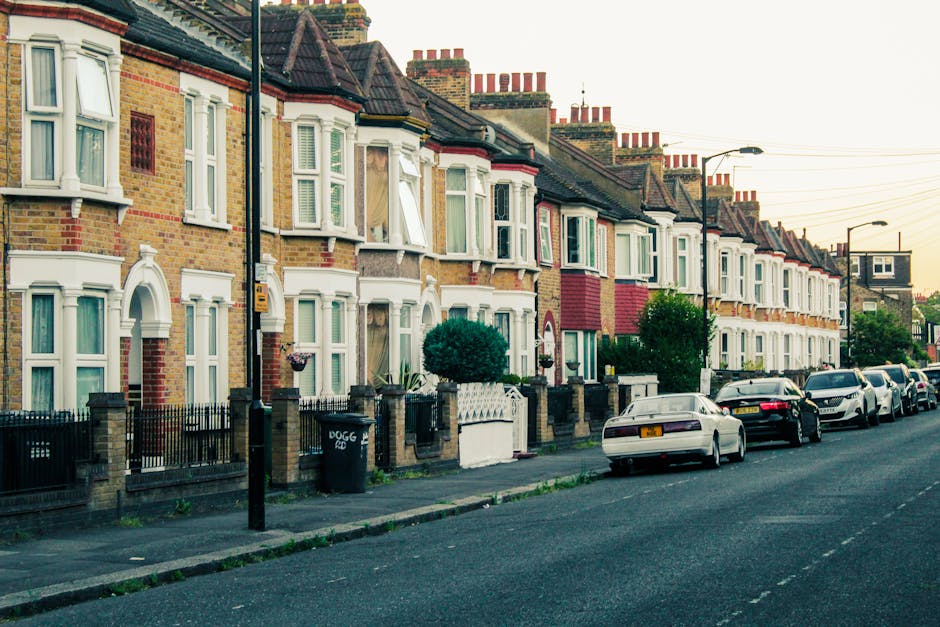
Penge is an area in the London Borough of Bromley, positioned on the edge of south east London and closely connected to neighbouring parts of Crystal Palace, Beckenham and Anerley. The name has medieval origins, and the district developed more strongly during the nineteenth century as rail transport expanded and suburban housing spread across the area. Penge High Street remains a recognisable local spine, while the surrounding streets show a mix of Victorian and later residential development. Much of the built environment reflects the wider growth of outer London, with terraces, shops and civic buildings appearing alongside greener residential roads and open spaces. Crystal Palace Park lies nearby and forms a major landmark in the wider locality, with its large landscape grounds and surviving traces of the original nineteenth-century setting. Penge is also known for the Avenue House area and for the variety of churches, schools and local facilities that serve the community. The area’s rail links helped shape its character, and the station network continues to connect it with central London and adjoining suburbs. Local roads and open spaces create a patchwork of urban and semi-urban character, while the district’s position near the boundary of several boroughs gives it a distinct sense of overlap. As with many parts of inner and outer London, the historic layers of development remain visible in everyday streets, older commercial fronts and the geometry of the housing stock. The result is a place that combines transport history, neighbourhood identity and long-established residential life in a compact but varied setting.
Household garden work and linked clear-outs
Not every outdoor job is a large-scale clearance. Some customers only need a modest amount of waste removed after routine pruning, while others want a broader tidy-up that sits alongside household clear-outs or garage tidying. In those cases, the garden task may be one part of a wider project rather than a standalone job. We can focus on the agreed outdoor materials and make sure the removal is kept separate from anything that should remain in place, especially where storage spaces or side paths are involved.
If the work touches more than one part of the property, the quotation should reflect that clearly so there are no surprises later. Home clearance may be relevant where the outside work forms part of a larger property clearance, while the garden remains the main focus of the service. The key is to describe the scope in a way that matches the actual items and access, rather than treating every clear-out as identical.
For many properties, the easiest route is to deal with the accumulated material first, then decide whether further outdoor maintenance or separate household removal is needed afterwards. That staged approach can make the work feel more manageable and keeps the clearance plan realistic from the outset.
When the garden contains heavier or bulky items
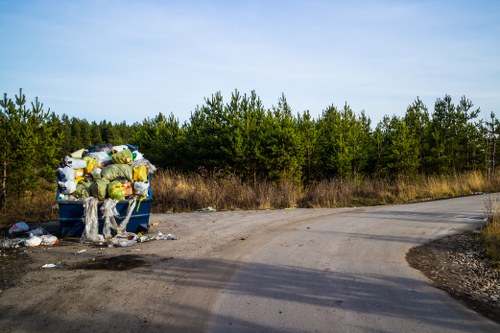
Some gardens contain items that go beyond loose organic waste. Old timber sections, broken outdoor furniture, collapsed storage units or heavy debris from past work may all need extra handling. These items can change the way a clearance is planned, especially if they are awkward to move through a narrow side passage or need careful lifting from a rear corner. A clear description of such items helps shape a sensible removal plan.
Where bulky materials are involved, it is important to be realistic about what is included and what remains in place. That is one reason a short, direct enquiry works well: it allows the job to be priced around the actual load rather than a general idea of the garden. Furniture clearance is a useful related service when outdoor seating, tables or similar pieces form part of the clearance, but the exact scope should always be kept clear in the quotation.
Heavier items often prompt a closer look at access, handling and spacing around the property. The more precise the description, the easier it is to match the work to the right level of effort. That leads to a quotation that is more relevant and a process that feels organised from the beginning.
Recycling, sorting and the final finish
Garden clearance is more than a simple collection exercise. It often requires sorting through waste streams so that different materials can be handled appropriately. Green waste, mixed outdoor debris and harder items do not always belong in the same pile, and careful separation helps the work stay orderly. The result should be a garden that feels tidier and easier to use, not one with little bits left behind after the main load has gone.
Many customers want the outside area left ready for the next practical step, whether that is planting, mowing, rearranging storage or simply enjoying a clear space. That is why the finish matters as much as the lifting. A neat wrap-up is part of the service, especially where the clearance reveals the shape of the garden again and makes future maintenance simpler. Pricing and quotes offers a useful route for understanding how a quotation is prepared when several materials or access factors are involved.
Once the main waste has been removed, the remaining space should look coherent rather than half-finished. Attention to the small details at the end of the job can make a noticeable difference, particularly in gardens where clutter has built up at the edges rather than in one obvious pile. That is often the point where the space starts to feel usable again.
Request a quotation for garden clearance

If you are ready to move forward, the best next step is to ask for a quotation with a brief description of the waste, the access and the type of garden work involved. You can mention whether the job is mainly green waste, mixed debris or a broader outdoor clear-out, and whether there are heavier items that may need extra handling. This information helps create a quote that reflects the real work instead of a rough guess.
For a more direct enquiry, you can also use our contact page to request a quotation and explain what needs removing. Keep your message clear and practical, and include anything that affects loading or access. A short summary is usually enough to get the process started, and it gives you a straightforward path to arrange garden clearance in Penge without unnecessary delay.
Request your quotation today and let us know what needs clearing from the garden. If you have bags, loose waste, larger items or a mixed outdoor load, include those details in the same message so the quote can be prepared properly. A simple enquiry is all that is needed to begin.