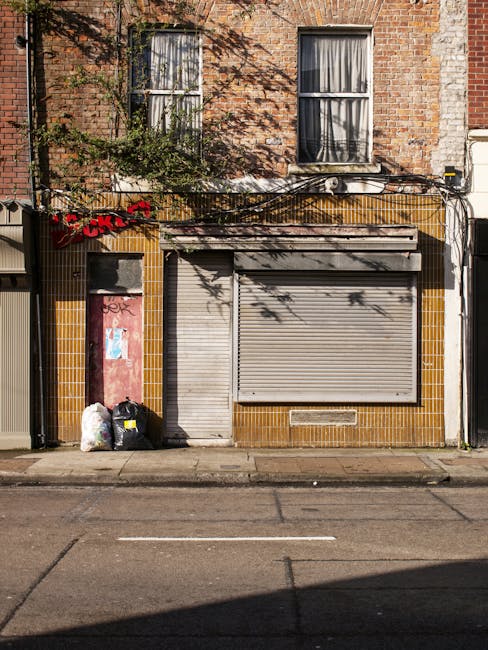
Rubbish removal guide for Penge High Street homes
If you live on or near Penge High Street, rubbish has a way of building up faster than you expect. One spare room turns into a storage zone. A broken wardrobe sits by the hall for two weeks. The garden bags, old boxes, and bits from a DIY job start crowding the path. This rubbish removal guide for Penge High Street homes is here to make the whole process feel calmer, clearer, and a lot more manageable.
Whether you are clearing a flat, sorting a family house, or dealing with bulky waste after a refurbishment, the basics are the same: know what you have, separate what can be reused or recycled, and choose the right removal method for your space, budget, and timeline. Simple enough in theory. In real life, not always.
This guide walks through how rubbish removal works for local homes, what to watch out for, and how to handle everything from furniture and loft clutter to builders' waste and garden debris. If you are comparing options, you may also find it useful to look at general waste removal and home clearance services that suit different household needs.
Practical takeaway: the best rubbish removal plan is usually the one that fits your access, volume, and urgency - not just the cheapest-looking option on paper.
Contents
- Why rubbish removal matters for Penge High Street homes
- How rubbish removal works
- Key benefits and practical advantages
- Who this is for and when it makes sense
- Step-by-step guidance
- Expert tips for better results
- Common mistakes to avoid
- Tools, resources and recommendations
- Law, compliance, standards, or best practice
- Options, methods, or comparison table
- Case study or real-world example
- Practical checklist
- Conclusion
- Frequently asked questions
Table of Contents
- Contents
- Why Rubbish removal guide for Penge High Street homes Matters
- How Rubbish removal guide for Penge High Street homes Works
- Key Benefits and Practical Advantages
- Who This Is For and When It Makes Sense
- Step-by-Step Guidance
- Expert Tips for Better Results
- Common Mistakes to Avoid
- Tools, Resources and Recommendations
- Law, Compliance, Standards, or Best Practice
- Options, Methods, or Comparison Table
- Case Study or Real-World Example
- Practical Checklist
- Conclusion
- Frequently Asked Questions
Why Rubbish removal guide for Penge High Street homes Matters
Penge High Street homes tend to have their own rhythm. Some are compact flats with narrow halls and tight stairwells. Others are older terraces where storage is never quite enough. A few sit above shops or close to busier stretches, which makes timing and access more of a consideration than people expect. That is exactly why a practical rubbish removal plan matters.
Mess is not just visual clutter. It can block safe walking routes, make cleaning harder, attract damp or pests if waste is left too long, and turn small jobs into weekend-consuming chaos. We have all done the "I'll deal with it later" thing. Later turns into next month, somehow.
For householders, rubbish removal also matters because different items need different handling. Old furniture, plasterboard, broken appliances, green waste, and mixed junk are not all treated the same way. If you know what you are dealing with, you can avoid delays, reduce hassle, and often keep more waste out of general disposal streams.
There is another reason too: trust. A decent removal service should be clear about what it will take, how it will be sorted, and what happens next. That is where useful pages such as recycling and sustainability and about the company can help set expectations before you book anything.
How Rubbish removal guide for Penge High Street homes Works
At a basic level, rubbish removal is the collection, loading, transport, and sorting of unwanted household waste. In a home setting, it often starts with a quick assessment: what needs to go, how much there is, and whether anything can be reused, donated, or separated before collection day.
For many Penge High Street homes, the process is shaped by access. Can a vehicle park close enough? Are there stairs? Is the waste in a loft, garage, flat, or rear garden? A good removal plan takes those details seriously. Otherwise, you end up with extra lifting, more time on site, and a job that feels bigger than it should. Not ideal.
Typical house and flat clearance jobs may include furniture, white goods, bagged rubbish, clutter from storage areas, garden waste, and mixed household items. If the work is more specific, you might use a dedicated service such as flat clearance, house clearance, garage clearance, or loft clearance.
In practical terms, the smoother jobs usually follow the same pattern:
- Sort the items into keep, donate, recycle, and remove.
- Check for anything fragile, heavy, or awkward to move.
- Measure access points like doors, stairs, and outdoor paths.
- Confirm whether the waste is general household rubbish or a specialist stream.
- Book the right collection and ask how sorting and disposal will be handled.
That sounds straightforward. It often is. But the details matter, especially in homes where access is tight and time on site needs to be efficient.
Key Benefits and Practical Advantages
There are obvious benefits to clearing rubbish properly, but the real value shows up in day-to-day living. A clean, uncluttered home is easier to maintain, easier to move around, and less stressful to come back to after a long day.
- More usable space: reclaim rooms, hallways, cupboards, or outdoor areas that have become storage overflow.
- Less stress: the mental weight of "I need to sort that" quietly disappears.
- Better safety: fewer trip hazards, less obstruction, and less chance of accidents during DIY or moving day.
- Cleaner presentation: useful if you are selling, renting, refurbishing, or just trying to get your home back in order.
- Better recycling outcomes: separating items early often means more can be diverted from landfill.
- Faster turnaround: a planned clearance saves time compared with multiple small trips to the tip.
One benefit people often miss is decision fatigue. When clutter has been hanging around for months, each item becomes a tiny debate. Keep it? Fix it? Move it? Chuck it? A structured removal service cuts through that noise, which is honestly a relief.
If your project is mainly about old household contents rather than general mixed waste, the services on furniture clearance and furniture disposal pages may be especially useful.
Who This Is For and When It Makes Sense
This guide is relevant for a wide mix of Penge High Street homes, and the triggers are usually familiar. Maybe you are clearing a room for a new baby. Maybe a relative has moved out. Maybe the spare bedroom has become the unofficial archive of every "useful" thing from the last fifteen years.
It makes sense for:
- homeowners doing a seasonal or full property clear-out
- flat owners dealing with bulky items and limited access
- landlords preparing a property between tenancies
- families sorting inherited items or downsizing
- people finishing a refurb, decorating job, or light renovation
- households with too much garden, loft, garage, or shed clutter
- small local businesses that need a quick, tidy waste solution and want a service like business waste removal for overflow from home-based work
It may also make sense if you are dealing with a one-off bulky item and do not want to hire a van, wait in queues, or spend your Sunday lugging a mattress down the stairs. Truth be told, not every job deserves a full-on project mindset.
If the waste came from a building job, decorating work, or structural repairs, you will likely need a more suitable route such as builders waste clearance. That distinction matters more than people think.
Step-by-Step Guidance
Here is a practical way to handle rubbish removal without letting it spread across the whole house. Small jobs become manageable when you give them structure.
1. Walk the property properly
Start with a room-by-room walk-through. Be honest with yourself. Open the cupboard. Look in the loft. Check the end of the hallway where things "live temporarily." You are not judging; you are taking stock.
2. Separate items into clear groups
Use four simple categories: keep, donate, recycle, remove. If something is broken but repairable, put it aside and decide quickly. Leaving it in limbo is how clutter sneaks back in.
3. Identify specialist items
Some waste needs extra care. This can include electrical items, anything bulky and awkward, sharp materials, or items from a renovation. If you are unsure, ask before collection day. That one check can save a lot of trouble.
4. Measure access and lifting points
Hallways, staircases, front steps, and shared entrances all affect the job. For homes on busier stretches of Penge High Street, access and parking can influence timing too. A clear path indoors makes a big difference. Really, it does.
5. Book the right service level
Choose a service that fits the volume and type of waste. A small mixed load is not the same as a full house clearance. A single sofa is not the same as a garage full of old fittings and boxes. If you need a home-focused solution, home clearance is usually the broadest fit.
6. Prepare the waste for collection
Bundle or bag loose rubbish where sensible, keep walkways clear, and set fragile items apart. If you have items for donation, remove them from the removal pile so they do not get taken by mistake. That happens more often than people admit.
7. Ask what happens after collection
It is worth asking how items will be sorted, reused, recycled, or disposed of. A transparent service should be able to explain the process in plain English. If you want to understand the company's approach to customer care and process, a quick look at terms and conditions and insurance and safety is sensible.
Expert Tips for Better Results
After enough clear-outs, a few patterns become obvious. The jobs that go well are rarely the ones where someone has "just started moving stuff." They are the ones where the prep is steady and realistic.
- Do the sorting before the team arrives. It speeds everything up and reduces confusion at the door.
- Keep pathways open. Even a narrow route can save repeated lifting if it is clear from the start.
- Group similar waste together. Furniture, bagged waste, and garden cuttings are easier to handle when separated.
- Be strict with sentimental items. If you are keeping something for a reason, fine. If not, decide now.
- Take photos of awkward items. Useful for quoting and for making sure everyone knows what is included.
- Ask about recycling upfront. A responsible operator should explain how waste is managed, not shrug and hope for the best.
One small but useful trick: create a "maybe" box and set a deadline for it. If you still do not want the item by then, out it goes. Sounds almost too simple, but it works.
For specific project types, it can help to review service pages for adjacent needs like garden clearance or garage clearance so you can match the job to the right scope.
Common Mistakes to Avoid
Most problems during rubbish removal come from trying to rush the process, underestimating access, or mixing different waste types without checking. That is where costs, delays, and stress creep in.
- Leaving everything until the last minute. Sorting on collection day is a recipe for frustration.
- Mixing specialist waste with general rubbish. It can complicate handling and may affect pricing or disposal options.
- Ignoring heavy lifting risks. Old wardrobes, appliances, and damp boxes can be nastier than they look.
- Forgetting shared access rules. Flats and converted homes often have neighbours, stairwells, and communal spaces to consider.
- Assuming every service is the same. Some are better suited to bulky household waste, others to mixed loads, and some to specific job types.
- Not checking what is excluded. A clear quote matters, especially for awkward items or jobs with access challenges.
It sounds obvious, but people do this all the time. One pile in the living room becomes three, then five, and suddenly the whole house feels in the way. Bit of a mess, really.
Tools, Resources and Recommendations
You do not need a van-full of equipment to prepare well. Most household clear-outs only need a few basics and a sensible plan.
| Tool or resource | What it helps with | Why it matters |
|---|---|---|
| Heavy-duty bags or sacks | Loose rubbish and smaller mixed items | Makes handling quicker and cleaner |
| Labels or marker pens | Sorting keep, donate, recycle, remove | Reduces confusion for everyone involved |
| Protective gloves | Sharp edges, dusty lofts, rough materials | Basic safety and better grip |
| Measuring tape | Checking bulky items and access routes | Prevents bad surprises on the day |
| Phone camera | Recording item types and access points | Useful for quotes and planning |
| Clear floor space | Staging waste in one area | Speeds up loading and keeps rooms usable |
For some households, a dedicated clearance service is the simplest path. For others, a specific item-based service works better. If your main issue is an old sofa, bed, or table, the furniture disposal option may be a neater fit. If the job is broader and mixed, waste removal is usually the better general starting point.
And if you care about how items are handled after collection - which you probably should - a sustainability page like recycling and sustainability gives a useful sense of the standards to look for.
Law, Compliance, Standards, or Best Practice
Rubbish removal is not only about convenience. In the UK, household waste still needs to be handled responsibly, and anyone collecting waste commercially should be able to show that they are operating properly. You do not need to become a compliance expert, but a little awareness goes a long way.
Best practice usually means:
- checking that waste is collected and transported responsibly
- keeping different waste streams separate where practical
- avoiding fly-tipping risks by choosing a reputable operator
- being clear about any restricted or specialist items before collection
- following reasonable health and safety precautions during loading
If a provider is vague about where the waste goes, that is a warning sign. If they are clear about safety, payment, and process, that is a better sign. The same applies to service transparency in pages such as payment and security and health and safety policy.
Homeowners should also be aware that some items need special handling, even if they look harmless. Broken electricals, sharp metal, paints, or renovation debris should not just be tossed into a general pile without thinking. You would not want a tidy room to turn into a minor hazard zone five minutes later.
Options, Methods, or Comparison Table
There is no single right way to remove rubbish from a home. The best choice depends on how much you have, how fast it needs doing, and what kind of waste it is.
| Method | Best for | Pros | Watch out for |
|---|---|---|---|
| Self-loading and tip runs | Small amounts, light waste, flexible schedules | Can be cheaper for tiny jobs | Time, lifting, vehicle access, repeated trips |
| Bagged waste collection | Loose rubbish and smaller home clear-ups | Quick and straightforward | Can become inefficient for bulky items |
| Furniture-focused removal | Sofas, wardrobes, beds, tables | Good for bulky household items | Needs clear access and item details |
| Full home or house clearance | Large clear-outs, moves, inherited properties | Efficient for bigger jobs | Needs careful sorting and planning |
| Dedicated waste removal service | Mixed loads and varied household waste | Flexible and practical | Make sure exclusions are understood |
If you are not sure which route fits best, ask yourself one question: do I need to remove a few items, or do I need the space reset properly? That usually reveals the answer.
For homes with difficult storage areas, loft clearance and garage clearance are often better comparisons than a generic rubbish collection.
Case Study or Real-World Example
A typical local scenario goes like this. A couple in a Penge High Street flat has spent months stacking boxes, a broken desk, and a few bags of mixed clutter in a spare room. Nothing dramatic, just the usual slow build-up. The room has become half storage, half "we should sort that soon."
They start with a quick walk-through on a Friday evening. One box is paperwork to keep, another is recycling, and three bags are general rubbish. The old desk is too awkward to carry down the narrow stairs without help, and there is a bedside cabinet that has survived two moves but not the current one. They measure the hall, take a couple of photos, and decide to book a clearance rather than trying to do it over several weekends.
On the day, the job is smoother because the waste has already been grouped. The route is clear, the fragile items are separated, and the collection team can get in and out without fuss. The result is not just a tidy room. It is a room that can actually be used again. That matters more than people think.
In situations like this, services built around flat clearance or broader home clearance are often the most practical options, especially where stairs and limited storage make DIY removal a headache.
Practical Checklist
Use this before booking or starting your rubbish removal job.
- Identify every area that needs clearing
- Sort items into keep, donate, recycle, remove
- Set aside anything fragile, sharp, or specialist
- Measure doors, stairs, hallways, and access routes
- Check parking or loading limitations near the property
- Bundle small items into bags or boxes where sensible
- Take photos of bulky or unusual items
- Confirm whether the job is a clearance, furniture removal, garden waste job, or mixed rubbish removal
- Review the provider's process, payment terms, and safety information
- Make sure the removal pile is easy to access on the day
A five-minute checklist can save an hour of backtracking. Sometimes more.
Conclusion
Rubbish removal for Penge High Street homes is rarely just about "getting rid of stuff." It is about restoring space, lowering stress, and making a home feel manageable again. Once you understand the type of waste, the access challenges, and the most suitable removal method, the whole process becomes far less overwhelming.
Keep it practical. Sort early, ask questions, and choose the service that matches the job rather than forcing the job to fit a generic solution. Whether you are clearing a loft, emptying a garage, or dealing with a full property reset, a careful plan will usually save time and reduce hassle. And yes, it really is worth doing properly.
Get a free quote today and see how much you can save.
In the end, a good clearance gives you more than a tidy room. It gives you breathing space, and that is no small thing.
Frequently Asked Questions
What is the best way to handle rubbish removal in a Penge High Street home?
The best approach is usually to sort the waste first, separate anything reusable or recyclable, and then choose the right removal method based on volume and access. For many homes, a tailored clearance service is easier than repeated DIY trips.
Can I mix furniture, bags of rubbish, and garden waste in one collection?
Often yes, but it depends on the service and how the load is classified. Mixed waste is common, but specialist items or heavy building debris may need a different arrangement. It is always worth checking first.
How do I know if I need house clearance or general waste removal?
If you are clearing multiple rooms, a loft, a garage, or most of a property, house clearance or home clearance is usually more suitable. If it is a smaller mixed load, general waste removal may be enough.
What should I do with old furniture before removal?
Remove personal items from drawers, check for valuables, and make sure bulky pieces are accessible. If the furniture is the main item being removed, a dedicated furniture clearance or furniture disposal service may be the most efficient choice.
Do I need to sort everything before the team arrives?
Sorting beforehand is strongly recommended. It speeds up the job and reduces the risk of items being removed by mistake. Even a simple keep/recycle/remove split helps a lot.
Is rubbish removal suitable for flats above shops or in shared buildings?
Yes, but access needs more attention. Stairwells, neighbours, parking, and shared entrances can affect timing and loading, so it helps to plan carefully and share any restrictions early.
How should I prepare a loft or garage for clearance?
Start by making a clear path, removing anything you definitely want to keep, and grouping the remaining items by type. For awkward storage spaces, loft clearance and garage clearance services can save a lot of effort.
What happens to rubbish after it is collected?
That depends on the provider and the waste type, but a responsible service should sort items for reuse, recycling, or disposal where possible. If sustainability matters to you, ask how they handle the waste stream.
Are there any items that need special care?
Yes. Sharp materials, electrical items, renovation debris, and certain bulky or fragile items may need extra handling. If you are unsure, describe them clearly before booking.
How can I avoid paying for the wrong type of service?
Be specific about the volume, access, and type of waste. A few photos help a lot. It is better to say exactly what you have than to guess and hope it fits later.
What if my rubbish removal job is connected to DIY or renovation work?
Then you may need builders waste clearance rather than a standard household collection. That is especially true for rubble, timber, plasterboard, or mixed construction debris.
Where can I check a provider's policies before booking?
Look at their terms, safety information, payment details, and sustainability approach before you commit. Those pages usually tell you more than a glossy sales pitch ever will.